
The Allure of the Casino Environment
The casino environment is meticulously designed to evoke a sense of excitement and anticipation. With bright lights, vibrant colors, and the sound of ringing coins and cheering players, these establishments create an immersive experience that stimulates the senses. This sensory overload can lead to a feeling of euphoria, which in turn influences decision-making processes. Gamblers often find themselves drawn into this atmosphere, which can enhance their belief in winning, especially when they explore options like non gamstop uk casino that appeal to their hopes.
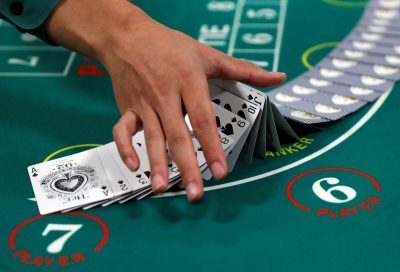
This environment plays on psychological triggers such as the “near-miss” effect, where players experience a sense of close victory even when they do not win. This phenomenon can encourage individuals to continue gambling, as their brain processes these near-wins as motivational cues, leading them to believe that success is just around the corner.
The Role of Cognitive Biases in Gambling
Cognitive biases significantly impact how gamblers perceive their chances of winning. One common bias is the “gambler’s fallacy,” where individuals believe that past events will influence future outcomes. For instance, a player may think that after a series of losses, a win is imminent. This flawed reasoning can lead to increased betting and the perpetuation of gambling behaviors, as individuals chase their perceived luck.
Another important cognitive bias is the “illusion of control,” where players believe they have influence over random outcomes. This can manifest in behaviors like rolling dice with a certain technique or making specific betting choices. The belief in having control can heighten engagement and may lead to increased gambling activity, even when odds are firmly against the player.
Emotional Factors Influencing Gambling Behavior
Emotion plays a critical role in influencing gambling behavior. For many players, gambling serves as an escape from daily stresses or emotional turmoil. The thrill of potential wins can provide temporary relief and distract from negative feelings. However, this emotional reliance can also lead to problematic gambling as individuals seek to recapture those highs or escape from lows.
Furthermore, emotions like excitement and anticipation can create a feedback loop that reinforces gambling behavior. When players win, positive emotions are amplified, and when they lose, they may spiral deeper into gambling as a means to recover their losses. Understanding these emotional dynamics is crucial for addressing responsible gambling and promoting healthier behaviors.
Neuroscience and the Reward System
The brain’s reward system plays a pivotal role in gambling, where neurotransmitters such as dopamine are released during wins. This chemical reaction reinforces the feeling of pleasure and motivates individuals to continue gambling. The unpredictability of games, combined with the potential for large rewards, stimulates this system, making gambling an addictive behavior for some.
This neurological response is often heightened by the presence of social reinforcement in casinos, as players may cheer each other on or share in the excitement of a big win. This social aspect not only enhances the experience but also creates a sense of community, contributing to the continuation of gambling activities for many individuals who thrive on these interactions.

Exploring Your Roots Through Community Engagement
Within the context of understanding our roots and family connections, engaging in community activities can provide similar social reinforcement found in gambling environments. Just as casinos can create bonds among players, genealogical research platforms foster connections among individuals seeking to uncover their family histories. Sharing memories and stories within these networks can evoke emotional responses that enhance our sense of identity.
By exploring family dynamics and histories, individuals can find relatable experiences and understand the psychological aspects that shape their lives today. This community-driven exploration can lead to fulfilling interactions and a shared journey of discovery, much like the social aspect of gaming but directed toward positive and enriching pursuits.